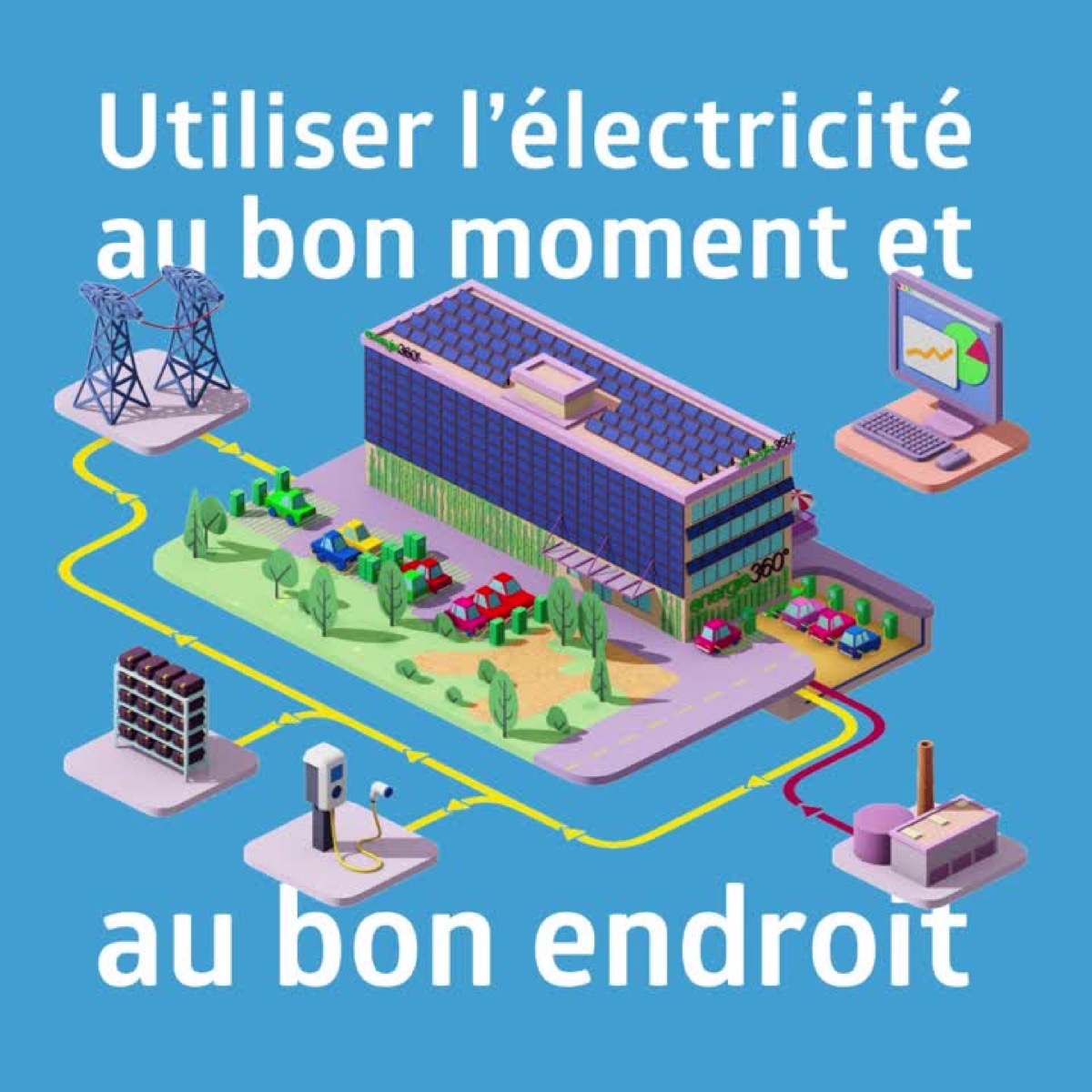
Before kuafu, co-founder Hanmin Cai tested predictive control in a building where people live, and cut its carbon emissions by more than 10%. The building also told the grid in advance how much electricity it could take or feed in. This is the technology that kuafu now brings to the market.
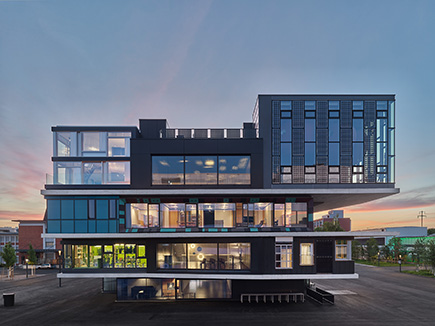
Hanmin ran the field test with Philipp Heer in UMAR, a living unit of NEST, the research building of Empa in Dübendorf. Empa reported on the study.
The test at NEST
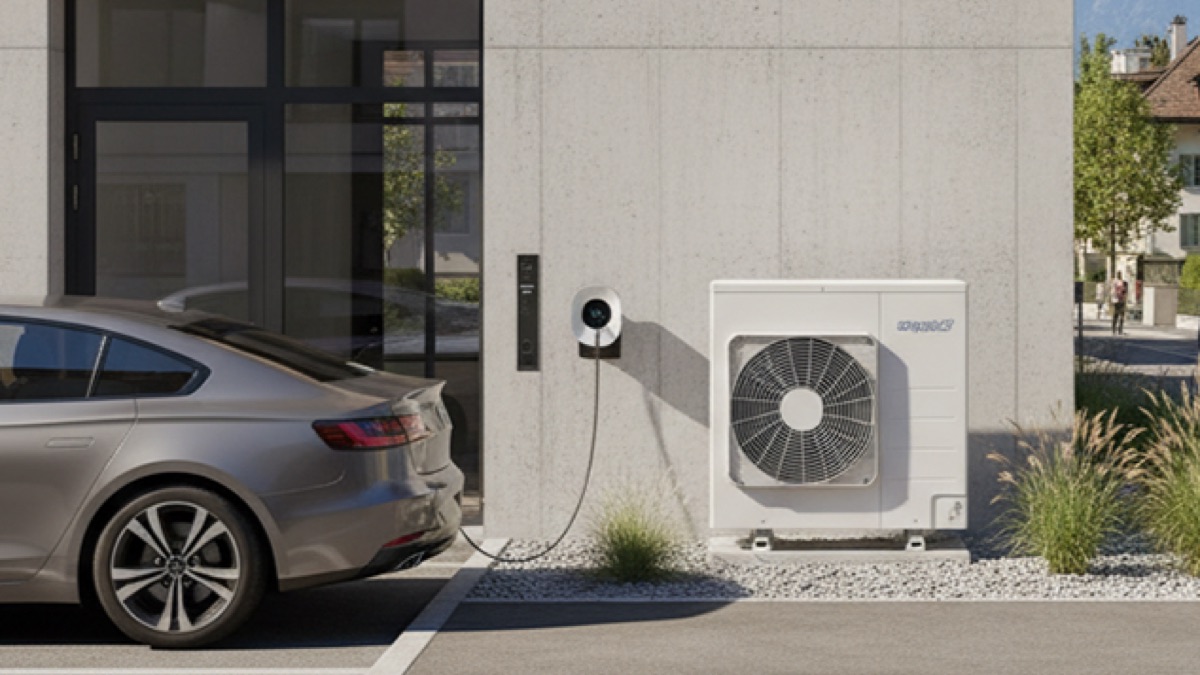
The unit had a solar (PV) system, a battery, a heat pump and a bidirectional charging station for electric vehicles. The main goal was to reduce carbon emissions: the building took electricity from the grid when renewable supply was available. Minimum temperatures for the rooms and the hot water tank kept the comfort of the residents.
Results
The control reduced the carbon emissions of the building by more than 10%. The building also told the grid in advance when and how much electricity it could take from or feed into the grid.
From research to kuafu
Hanmin Cai and co-founder Federica Bellizio bring this technology to the market with kuafu. Federica received the Empa Entrepreneur Fellowship.
Thank you to Empa and to the Urban Energy Systems Lab.